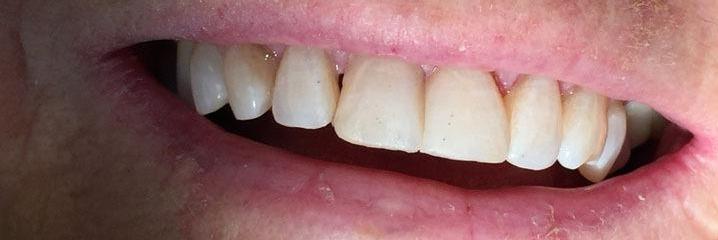
Tooth-Colored Fillings
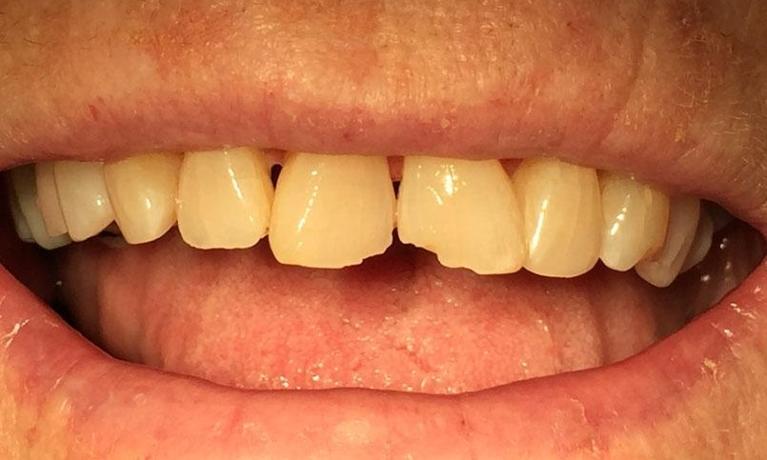
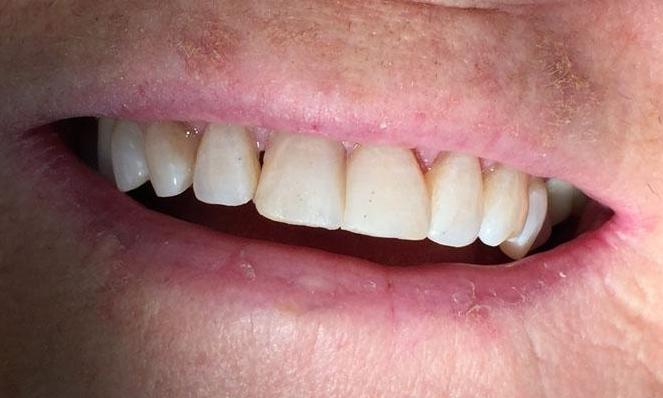
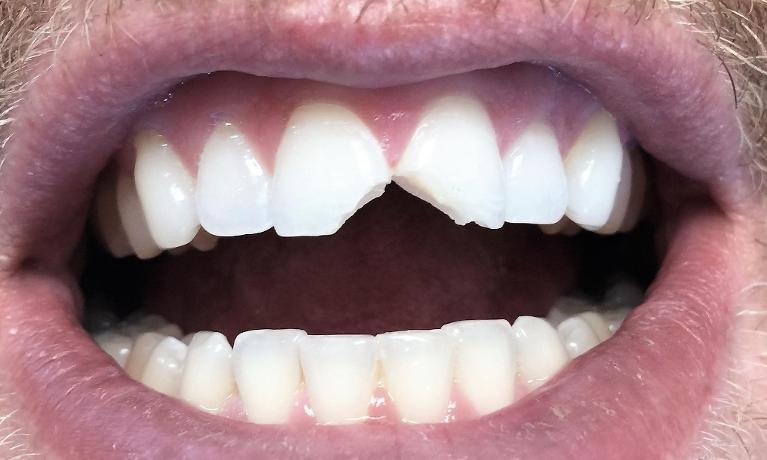
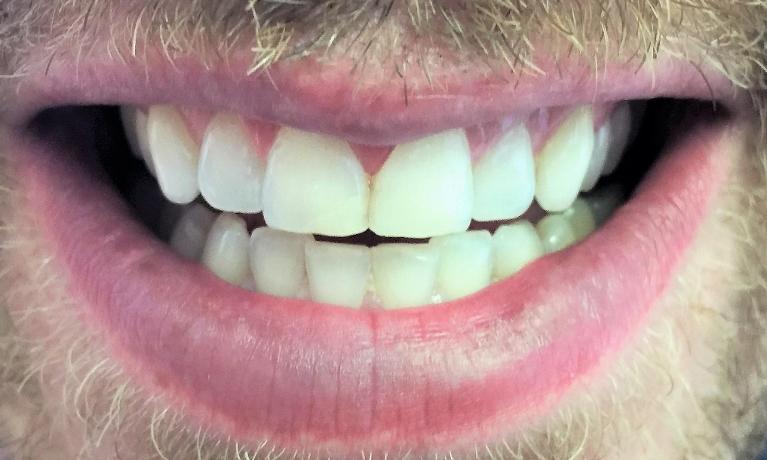
People have been filling the cavities in their teeth with various materials for thousands of years. Beeswax, various metals, and other natural materials were all used at one time in history. Today, a tooth filling in Denver is usually made out of composite resin. Dr. Kate first started filling teeth in the 1980s when most back teeth were filled with silver or gold, and only front teeth could be filled with composite because the material wasn't strong enough for chewing.

Now, the bonding or "glue" materials are much stronger, and there are white filling materials strong enough to chew on. If you ever saw the movie, "The Graduate," with Dustin Hoffman, you may recall a scene at the main character's graduation party when a family friend says "plastics," and "there is a great future in plastics.” That applies to dentistry because one of the components of white composite resin is plastic, another is quartz (glass).
What Is the Best Tooth Filling Material?
Actually, the very best material is still gold. Unfortunately, gold costs over $1700 per ounce today. Between the cost and the fact that gold does not match the color of teeth, very few teeth are restored with gold fillings, but there are still some gold crowns (which cover the entire top of a tooth) done on back teeth.
What Is the Difference Between White Fillings and Porcelain Fillings?
Porcelain fillings must be made in a laboratory, fired in a very hot oven, and are more costly than composite resin fillings. There are some dental offices that "mill" white fillings in the office and cement them, and the fillings are a blend of ceramic and plastic resin, so they are not pure porcelain.

In general, if a white filling is done in one regular dental visit, the material used will be a composite resin. There is also a newer material called glass ionomer, which is mainly used on the roots of the tooth, because it helps prevent future decay.
At Hakala Family Dentistry, we have a wide variety of materials we use for white fillings, including composite resin, glass ionomer, and a combination called "resin-modified glass ionomer.”
We even use a new tooth filling product, which comes in a single color that matches the color of every tooth it is used to fill.
Should I Replace My Silver Fillings?
If they are not broken and there is no decay around them, there is no scientific reason to replace silver fillings. Some people replace silver fillings because they are unesthetic, which is fine, and of course, they should be replaced if they are broken or if there is decay.
Silver "amalgam" fillings were placed regularly for decades, if not centuries. The filling material can be placed in the presence of moisture (saliva) and is very durable. There are concerns because one of the ingredients in silver amalgam is mercury, which can be toxic at high levels.
While we place fewer and fewer silver fillings over time, Dr. Kate does believe that they are a safe, functional material that has been tested vigorously.
Silver fillings are still approved by the American Dental Association, and the technique is still being taught at the University of Colorado School of Dental Medicine, where Dr. Kate is a part-time clinical instructor.